
Summer brings sunshine and outdoor fun, but also pests that can spoil the enjoyment. Integrated Pest Management (IPM) offers a sustainable way to control these summer nuisances without harming the earth.
Our guide will show you eco-friendly methods to keep pests at bay, from natural foes to plant-based solutions. Discover how Emtec Pest Control can help protect your summer.
Sustainable Pest Control Methods for Summer Pests
When dealing with summer pests, it is essential to consider sustainable pest control methods such as integrated pest management (IPM) and natural predators. Implementing deterrents and plant-based solutions, along with organic sprays and insecticides can also be effective in managing summer pests.
Crop rotation and habitat management are other sustainable methods to control the population of pests during the summer months.

Integrated Pest Management (IPM) is a clever strategy to ward off pests from your home during the summer. It employs various techniques such as setting up traps, cultivating plants that repel pests, and using insects that prey on other insects to manage pest populations.
This method helps preserve your garden's ecological balance while ensuring the safety of your family and pets from hazardous chemicals.
With IPM, the emphasis is placed on fostering healthy soil for your plants, making them more resilient against diseases and pest attacks. By selecting disease-resistant plant varieties and rotating crops in your garden, the likelihood of pests taking over is significantly reduced.
This approach not only addresses current pest issues but also deters future problems by maintaining health and equilibrium throughout your garden environment, from soil to seeds.
Welcoming nature's allies into your garden or farm can drastically cut down on pest numbers. Birds, ladybugs, and various beneficial creatures feast on typical nuisances like aphids and whiteflies.
This method of pest control, known as biological control, leverages the forces of nature to fend off destructive insects without turning to chemical sprays.
By planting species that lure these natural predators or by creating welcoming habitats for them, you amplify their presence and impact. For instance, setting up a tiny pond may attract dragonflies which then hunt mosquitoes.
Adopting such eco-friendly approaches not only aids in managing pests but also enriches soil health and cultivates biodiversity in gardens and farms.
Switching from drawing in natural predators to control pests, homeowners have other options like deterrents and plant-based remedies. These techniques help keep summer pests at bay while still being kind to the environment.
Neem oil acts as a powerful repellent against various garden pests. It interrupts the lifecycle of insects without harming helpful critters like pollinators and ladybugs. Likewise, garlic mixtures ward off pests with their potent smell, offering an all-natural gardening approach.
For direct plant protection, using netting or row covers creates a physical shield against birds and bugs. This strategy ensures that your tomatoes and other produce stay undamaged while not adversely impacting the local ecosystem.
Adopting these eco-friendly methods into your yard care routine aids in preserving nature while maintaining a healthy, pest-free garden without resorting to toxic chemical pesticides.
When dealing with pests, organic sprays and insecticides are effective alternatives that are safe for your family and the environment. Neem oil, a versatile organic remedy, disrupts the lifecycle of insects while providing sustainable pest control in your garden and home.
Garlic and hot pepper spray can act as natural insect repellents, deterring pests like mosquitoes without harmful chemicals. These alternatives not only protect your plants but also contribute to a healthy ecosystem.
In addition to these solutions, Entrust is an effective organic spray used by Emtec Pest Control for controlling insect pests such as flea beetles and Colorado potato beetles. It provides over 75% control of these damaging pests while ensuring minimal impact on beneficial organisms in the soil.
Sustainable techniques such as integrated pest management and natural pesticides pave the way for environmentally friendly options suitable for homeowners looking to maintain a healthy balance between their gardens and nature.
Crop rotation involves growing different types of crops in the same area over time to manage pest populations. It disrupts their life cycles and reduces their ability to survive. For example, rotating between legumes and non-legumes can also improve soil fertility, minimize erosion, and reduce the need for synthetic fertilizers.
Additionally, cover crops like clover or vetch protect the soil and attract beneficial insects that naturally control pests.
Creating biodiversity within agricultural landscapes is another vital habitat management strategy. Planting flowering plants near crop fields encourages predatory insects which feed on pest populations.
This reduces dependence on chemical pesticides and supports crucial pollinators for crop production. Moreover, establishing natural habitats such as hedgerows and grassy areas provides shelter for beneficial animals like birds and bats that prey on insect pests.
Alternative Solutions for Specific Pests
Combat mosquitos with non-toxic larvicides and natural predators, such as bats or dragonflies. Deter birds and insects using deterrents like reflective tape or predator decoys. Tackle weed problems through organic mulching or hand weeding for a chemical-free approach.

Mosquitos
Mosquitoes, known for spreading diseases and posing health risks, have specific habits and habitats. There are roughly 200 different mosquito species in the United States. Research has linked DDT exposure to fertility issues, immune system impact, hormonal changes, and brain development effects, emphasizing the potential dangers of using chemical pesticides for mosquito control.
However, there are eco-friendly alternatives that do not rely on harmful pesticides – 10 sustainable methods to combat all mosquito species without harming the environment or human health.
Moving forward from exploring sustainable solutions for summer pests like mosquitoes is essential to discover alternative remedies for other specific pests such as birds and insects.
Birds and Insects
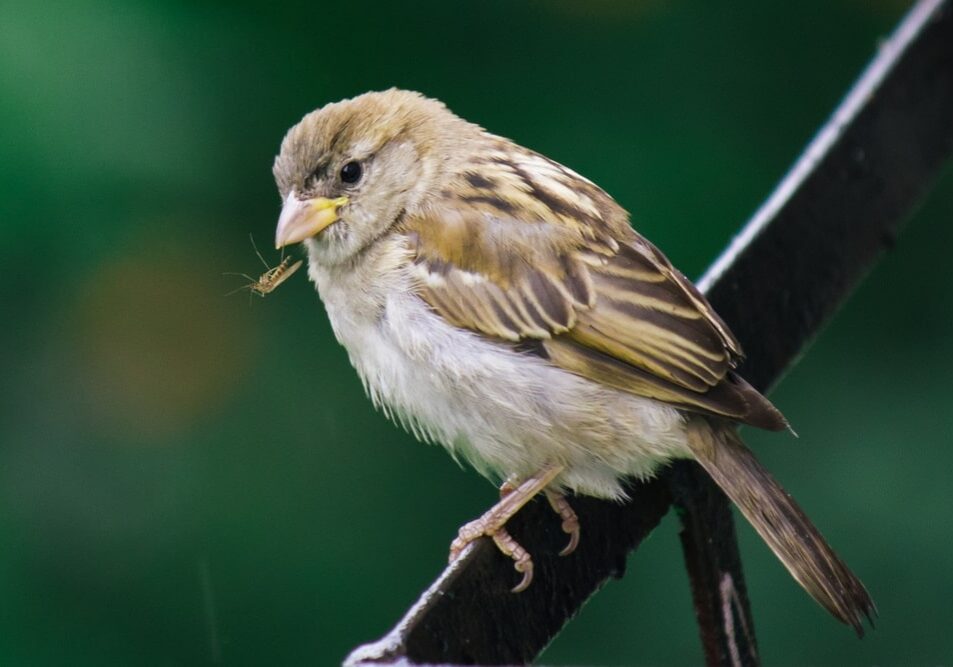
Birds naturally control insect pests without using pesticides. Certain bird species, such as those that eat caterpillars, beetles, and aphids, help maintain balanced insect populations.
In agricultural settings, supporting natural habitats for birds can bolster their role in pest control. However, the use of pesticides has been connected to declines in bird populations and their ability to sustainably manage insect pests.
Birds in forest environments heavily rely on insects for food, emphasizing the potential negative impact of pesticides on both birds and pest control efforts.
Looking Ahead - Exploring Alternative Solutions for Specific Pests
Weeds
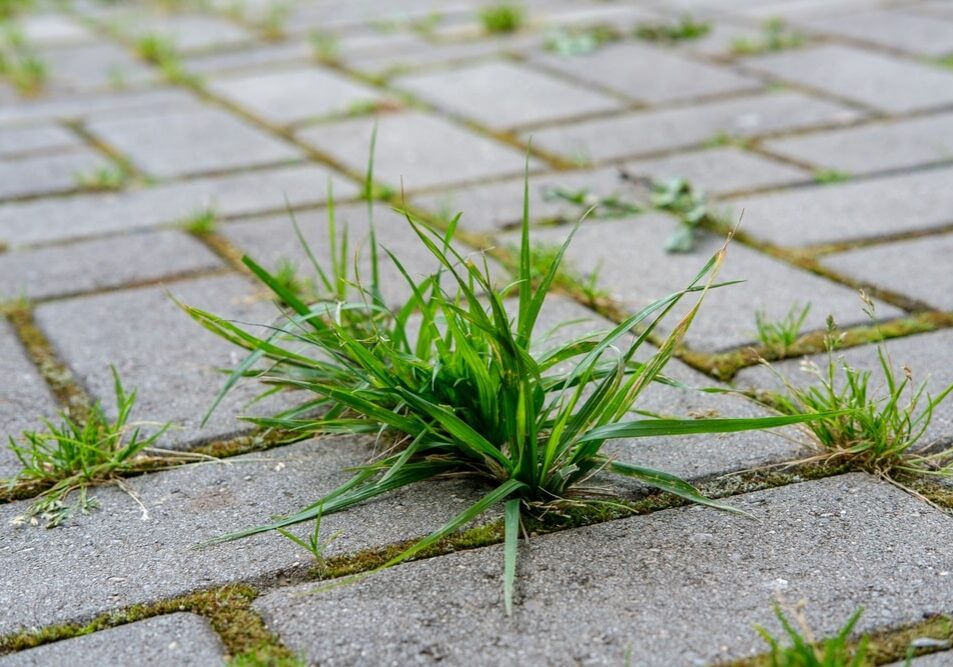
Managing weed populations is crucial for farmers as they can lead to significant yield loss and increased production costs. Considering the nearby populations of insects and weeds is important for effective weed management.
Applying crushed weed leaves topically could offer relief for insect bites or minor burns. Homeowners can maintain a healthy garden using sustainable solutions such as integrated pest management and natural predators, without relying on harmful herbicides.
Incorporating organic sprays, beneficial plants, and deterrents can effectively control weed growth while supporting a thriving ecosystem.
Sustainable Solutions for Community Pest Control
To foster a balanced ecosystem, consider adding pond or lake aeration, fish stocking, hydro-raking and dredging, as well as creating habitats for dragonflies. Utilizing biological larvicides can also aid in managing pest populations sustainably.
Enhancing the aquatic environment through pond or lake aeration is a sustainable practice. This method increases dissolved oxygen levels, leading to improved water quality and greater ecological diversity.
Aeration effectively prevents stagnant water, algae accumulation, and unpleasant odors. Moreover, it promotes balanced ponds by enhancing fish habitats and reducing algae growth.
The increased oxygen levels resulting from aeration play a pivotal role in maintaining healthy ponds and lakes. Incorporating aeration as part of pest control solutions helps establish an ecological balance that supports the flora and fauna within aquatic ecosystems.
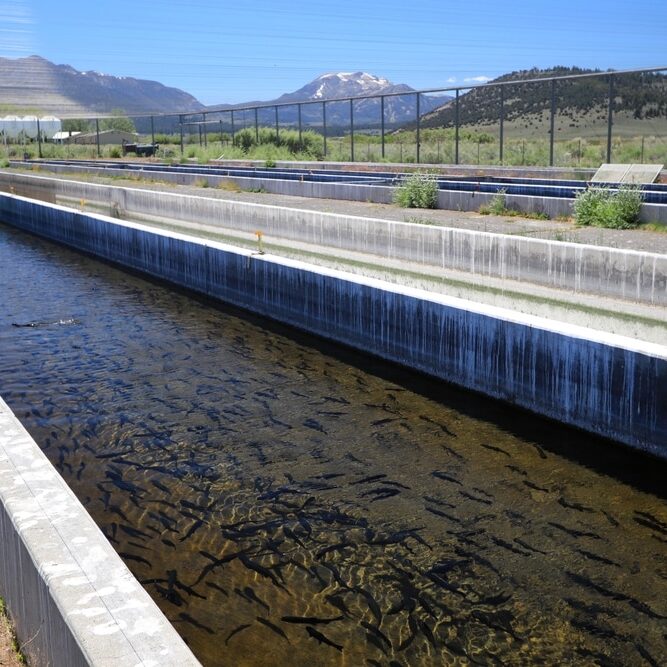
Restocking ponds and lakes with minnows, catfish or bass can effectively decrease mosquito populations naturally. Aeration systems assist in circulating water, benefitting fish and amphibians while deterring mosquitoes from laying their eggs in stagnant water.
Fish restocking is an environmentally friendly method that contributes to maintaining a balanced aquatic ecosystem. However, it's crucial to manage this process carefully to avoid genetic dilution and potential impacts on native species.
Maintaining healthy fish populations through habitat enhancement has been cited as a more effective long-term solution than solely relying on fish restocking. This approach plays a pivotal role in controlling weed problems and reducing specific insect populations while promoting the overall health of bodies of water.
As homeowners seeking sustainable solutions for pest control, considering the ecological impact is vital when exploring methods like fish restocking for natural pest management.
Transitioning from fish stocking to hydro-raking and dredging, homeowners should consider eco-friendly options for managing their ponds and lakes. Hydro-raking effectively removes unwanted vegetation and promotes healthier water systems without the use of pesticides.
This method provides ecological benefits such as nutrient mitigation, improved water circulation, and the restoration of open water habitats. Embracing sustainable living practices by wisely managing aquatic resources through hydro-raking can positively contribute to the environment while maintaining a healthy outdoor space.
Hydro-raking provides an environmentally conscious solution that enhances the quality of water bodies without resorting to chemical intervention. This management technique not only cleanses ponds and lakes but also supports natural ecosystems, making it a sustainable choice for homeowners seeking responsible ways to maintain their aquatic environments.
Creating habitats that support the lifecycle of dragonflies is crucial for natural pest control. Ponds or marshy areas can encourage their populations, aiding in keeping pest species at bay.
Dragonflies require clean, well-oxygenated water to survive, making drainage of wetlands and pollution from farming concerning for their survival. Therefore, developing essential habitats for these beneficial insects is vital.
As part of sustainable community pest control solutions, Emtec Pest Control promotes the creation of suitable dragonfly habitats to combat pests effectively and organically.
Furthermore, supporting the presence of dragonflies through conducive environments aligns with organic agriculture practices and contributes to sustainable agriculture efforts by promoting biological controls rather than pesticidal interventions.
Encouraging dragonfly habitats complements Emtec's dedication towards conservation and tailored solutions underpinned by environmentally-friendly practices. By creating spaces favorable for these natural predators, homeowners can actively contribute to integrated pest management strategies while maintaining a healthy ecosystem.
Biological larvicides serve as eco-friendly insecticides for managing mosquito populations indoors and outdoors. The method, introduced in 1984, works by impeding the development of mosquito larvae.
These biopesticides play a vital role in promoting sustainable pest management, providing homeowners with a safe option compared to synthetic pesticides. With a focus on environmental safety, bacterial larvicides have proven highly effective without harming natural habitats.
By utilizing nature's power for mosquito control, biological larvicides contribute to conservation biological control and stress the significance of preserving beneficial species.
Beneficial plants can help naturally control pests in your garden. Certain plants, like lavender, mint, and marigolds, emit scents that repel insects such as mosquitos and aphids. Additionally, planting flowers like sunflowers or daisies can attract beneficial insects like ladybugs and lacewings which feed on harmful pests.
Incorporating these natural pest deterrents not only beautifies your garden but also reduces the need for chemical pesticides. Emtec Pest Control recommends integrating these beneficial plants into your landscaping to create a more sustainable and eco-friendly environment.
In addition to repelling pests, some beneficial plants also improve soil health by adding nutrients and fostering biodiversity. For instance, legumes such as peas and beans enhance soil fertility by fixing nitrogen from the air into the ground.
This enriches the soil for other plants while reducing the need for synthetic fertilizers. By strategically placing these beneficial plants throughout your garden or landscape design, you can create a natural barrier against pests while promoting overall environmental sustainability.
Conclusion
Incorporating sustainable pest control methods is essential for managing summer pests. Utilizing techniques such as integrated pest management and natural predators can effectively reduce pest populations without harming the environment.
Emtec Pest Control offers eco-friendly solutions that prioritize non-chemical approaches, contributing to a healthier and more eco-friendly environment for homeowners. These measures not only address pest concerns but also support sustainability initiatives aligned with UN goals, fostering a balanced ecosystem for humans and wildlife.
At Emtec Pest Control, we are committed to safe and responsible pest control. We understand that your family’s safety is your number one priority, so we make it our priority, too.
If you have any other questions about any of these pests or pest control for your home or business, contact your Oklahoma pest control experts at Emtec Pest Control by calling us or by filling out our online contact form.