


To get rid of cockroaches, find where they hide, take away their food, water and clutter, and put bait and a light dusting of boric acid right in those hiding spots instead of spraying open surfaces. Then seal the cracks and gaps they use. That approach, recommended by OSU Extension, the University of Kentucky and Texas A&M AgriLife, works far better than bug bombs, store-bought sprays or home remedies. Here are the signs to look for, where roaches hide, the six steps that work, and when it is time to call an exterminator.
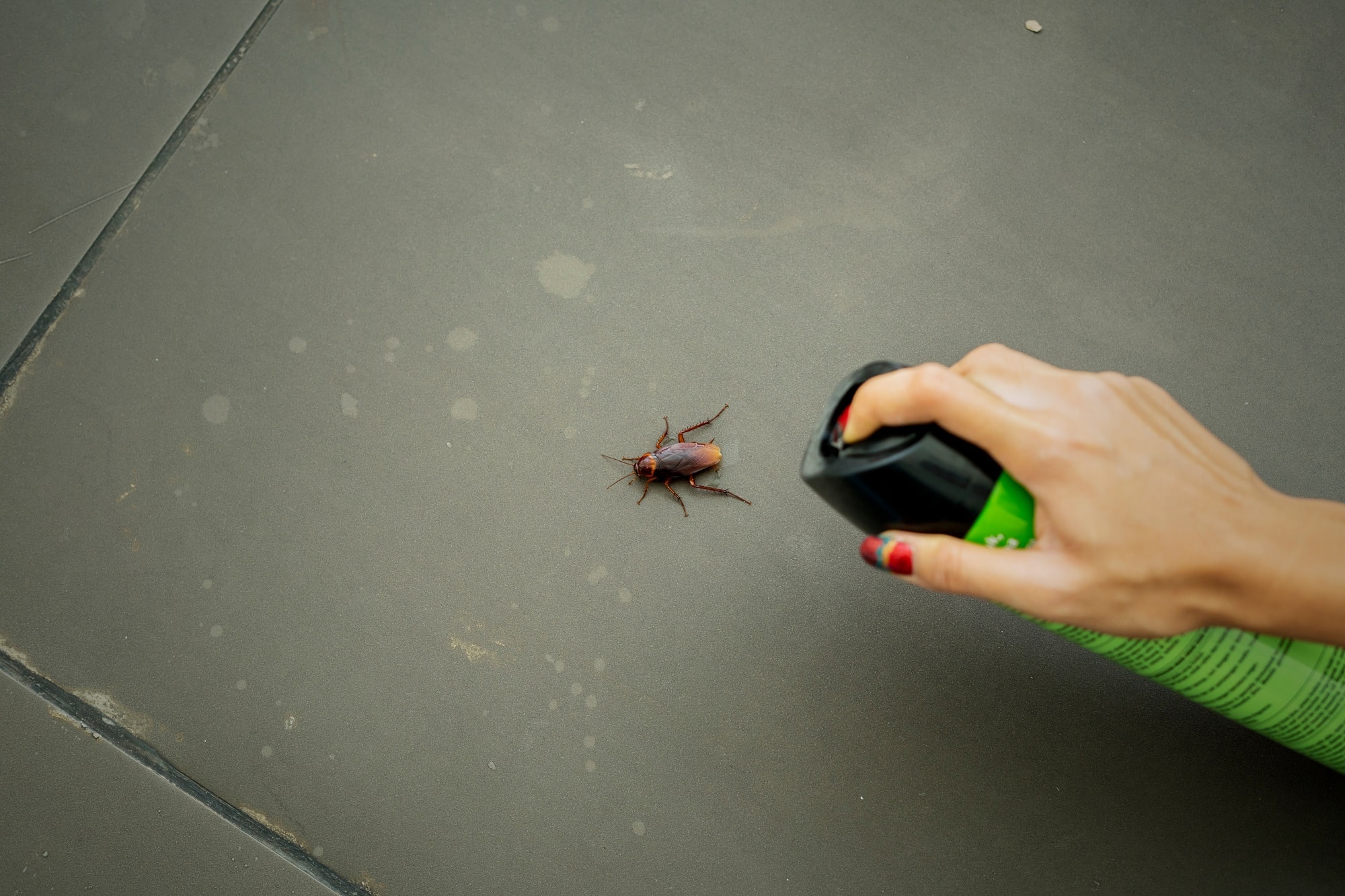
First, know which roach you have
The plan depends on the species. German and brown-banded cockroaches breed indoors, so the fight is inside the house. American, oriental and smokybrown cockroaches mostly breed outside, in sewers, crawl spaces, mulch and woodpiles, and wander in, so the fight is at the drains, doors and foundation. Our Oklahoma cockroach ID guide shows how to tell them apart.
Signs you have cockroaches
- Roaches in daylight. Cockroaches are active at night. Texas A&M says daytime sightings usually mean a large population.
- Droppings. Small dark specks like crushed pepper or coffee grounds in drawers, cabinet corners and along shelves.
- Egg cases. Small brown, bean-shaped capsules glued in cabinets, behind appliances or in furniture, or carried by the female.
- Shed skins in the same places.
- A musty, oily smell in heavy infestations.
If you see one cockroach, are there more?
If it is a German cockroach, almost certainly. Texas A&M says German cockroaches spend about three quarters of their lives in cracks, so the one you see is a small part of what is there. A single big roach that came in from outside after a rain is less concerning, but if you see a second one, start looking for where they are coming from.
Where cockroaches hide
Cockroaches don't build nests the way ants do. They gather in protected cracks and voids near food and water, called harborages. OSU Extension lists kitchen cabinets, under sinks, behind appliances and plumbing fixtures, closets, behind baseboards and around bathroom fixtures. By species:
- German: warm, humid cracks in kitchens and bathrooms: under the sink, behind and under the refrigerator, stove and dishwasher, cabinet hinges and corners, inside appliance motors and electronics, in wall voids.
- Brown-banded: away from the kitchen: high on walls and ceilings, behind picture frames, in closets, furniture, light switches and near appliance motors (OSU).
- American and oriental: drains, basements, crawl spaces and under the house, and outdoors in sewers and damp, sheltered spots (OSU).
- Smokybrown: mulch, woodpiles, gutters, attics and garages.
With a heavy infestation, turning on the lights at night and watching where they run shows you the main hiding spots.
What cockroaches eat
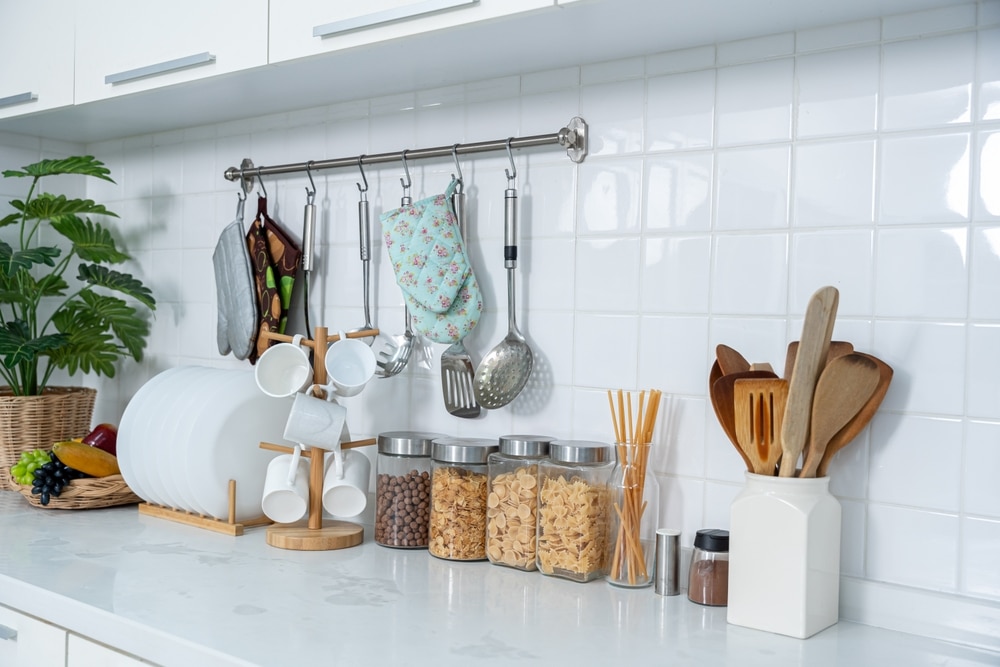
Almost anything. Crumbs, grease on the stove, sugar and starches, pet food, garbage and food left in the sink are the obvious ones. OSU Extension notes they also feed on starchy materials such as book-binding glue, and they will eat paper, soap and glue when food is scarce. They also need water, which is why they cluster near sinks, dishwashers and leaks. Taking away food and water is what makes baits work: Texas A&M points out that when food and water are scarce, roaches have to search farther each night, and they find the bait.
How to get rid of cockroaches in 6 steps
1. Inspect and monitor
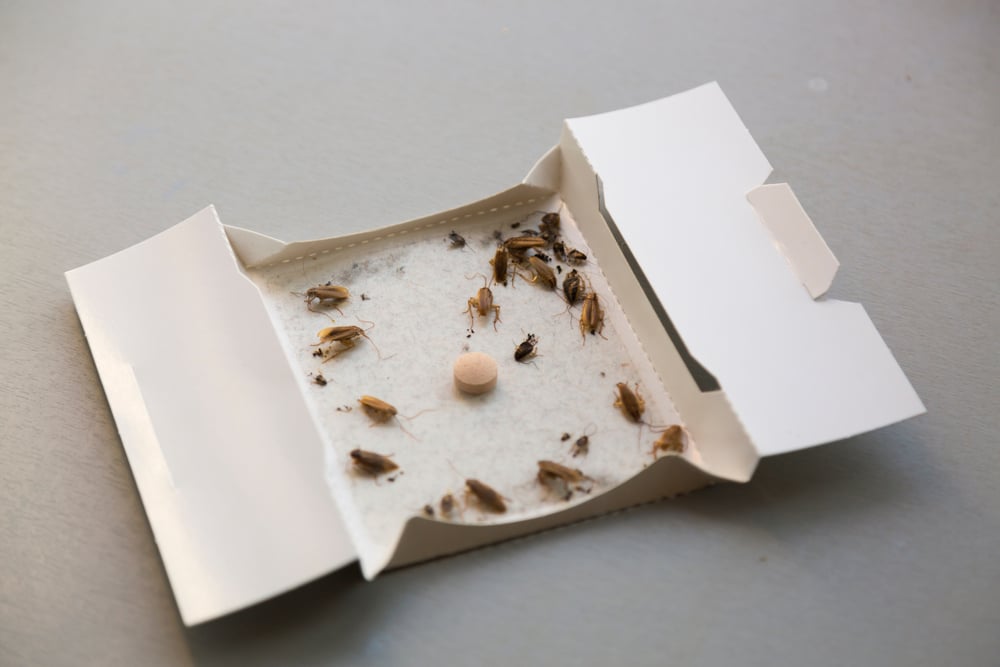
Use a flashlight to check the hiding spots above. Put sticky traps (glue boards) flat against walls, in cabinet corners and under sinks. OSU and Texas A&M say sticky traps are best for showing where roaches are concentrated, not for controlling them, so move your treatment to wherever the traps catch the most.
2. Take away food, water and clutter
- Don't leave dishes, food or pet food out overnight (University of Kentucky, EPA).
- Store food in tight containers and take garbage out often.
- Fix dripping faucets and leaks under sinks, and empty pet water bowls at night if roaches are active.
- Clean grease and crumbs from under and behind the stove, refrigerator and dishwasher, and clean the refrigerator drip pan (EPA).
- Get rid of stacks of paper bags, newspapers and cardboard, or seal what you keep in plastic bins.
- Vacuum roaches, droppings and egg cases, ideally with a HEPA-filter vacuum (Texas A&M).
3. Bait where they hide
Baits are the most effective insecticide for cockroaches in homes, according to Texas A&M, and the University of Kentucky says most homeowners get better results with baits than with sprays. Baits mix a slow-acting insecticide with food, so roaches eat it, go back to their hiding spots and die, and others can be affected through their droppings.
- Use gel bait in many small, pea-sized dabs, or bait stations, pushed tight against corners and edges where roaches travel.
- Place them under and around sinks and toilets, behind the refrigerator, dishwasher and stove, near trash cans, inside cabinets and wherever you see droppings.
- Don't spray cleaners or insecticides near the bait; it can keep roaches from eating it (University of Kentucky).
- Replace bait as it is eaten. If you see no improvement in two to three weeks, switch to a bait with a different active ingredient (Texas A&M).
The University of Kentucky says roaches usually die within one to three days of eating bait, and a substantial reduction should be apparent within a few weeks.
4. Dust the voids with boric acid
Boric acid dust, used according to its label, is one of the more effective roach insecticides (Texas A&M). Roaches walk through it and swallow it while grooming. The University of Kentucky's rules: apply only a thin, barely visible layer with a bulb duster, because roaches avoid piles; put it in cabinet corners and edges, behind appliances, under cabinets and around plumbing openings; and never on countertops or food surfaces. Kept dry, it stays effective a long time. Skip homemade mixtures; use a product labeled for cockroaches and follow the label.
5. Seal entry points
Caulk cracks around sinks, cabinets, baseboards and splash guards, and seal gaps where pipes and wires go through walls with caulk, foam or copper mesh. Add door sweeps and fix threshold seals. For outdoor roaches, keep drain traps full and screen vents and soffits (Texas A&M, University of Kentucky). In apartments, sealing plumbing and wiring openings helps slow roaches moving in from neighboring units.
6. Call a professional when it's beyond DIY
Many small infestations can be solved with the steps above. Call an exterminator if:
- You see roaches during the day, or in several rooms.
- Bait hasn't made a clear difference in a few weeks.
- You live in an apartment or duplex and they keep coming from next door.
- Roaches are coming up from drains, the crawl space or outside, and you can't find the source.
- You run a restaurant, store or other food business.
- Someone in the home has asthma or allergies.
What doesn't work
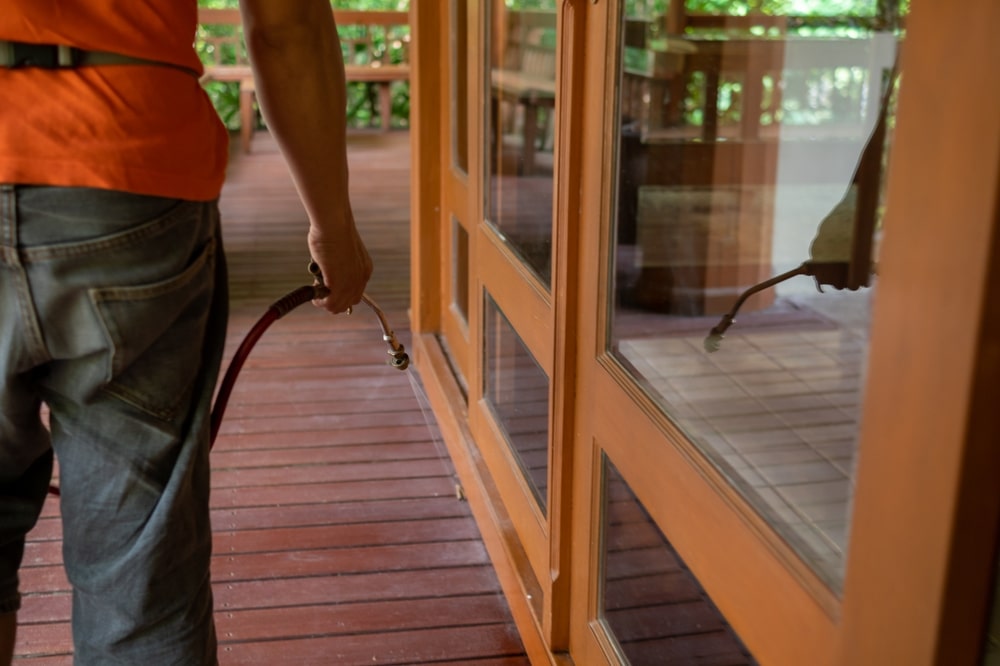
- Bug bombs (foggers). The University of Kentucky says they are not recommended for cockroaches: little insecticide reaches the cracks, they can push roaches deeper into walls, and foggers have caused fires.
- Spraying baseboards and counters. Roaches spend little time on open surfaces, and many sprays repel them. Texas A&M says sprays are not nearly as effective as baits for German cockroaches.
- Home remedies. Baking soda and onion, sugar-and-borax mixtures in jars and similar recipes are popular online but aren't a substitute for labeled baits and dusts, and they can be unsafe around children and pets.
- Ultrasonic and electronic devices. OSU Extension says they have not been proven effective.
- Treating only what you see. Spraying the roaches you see does nothing to the ones hiding in cracks or to egg cases.
Are cockroaches a year-round problem in Oklahoma?
Indoors, yes. OSU Extension says German cockroaches breed year-round indoors, preferring humid spots around 80°F, so a heated home keeps them going all winter. Outdoor roaches such as American, oriental and smokybrown cockroaches slow down when it turns cold, and some move inside looking for warmth, food and water. Checking for leaks and sealing gaps in the fall helps keep them out.
Keeping cockroaches from coming back
- Keep up the kitchen routine: no food or dishes out overnight, regular cleaning under and behind appliances.
- Keep a few sticky traps in cabinet corners and under sinks so you notice new activity early.
- Check grocery boxes, used appliances, electronics and furniture before bringing them inside.
- Keep caulk and door sweeps in good repair.
- Consider ongoing preventative pest control, especially in apartments and older homes.
Worried about health effects? See do cockroaches bite humans? For more on when DIY makes sense, read DIY vs. professional pest control.
Cockroach exterminator in Tulsa and across Oklahoma
Emtec Pest Control has been getting rid of cockroaches in Oklahoma homes and businesses since 1979. Our technicians start with an inspection to identify the species and find where the roaches hide, then use specialized equipment to apply insecticide dust and bait directly into cracks, crevices, wall voids and cabinet joints, and treat the outside perimeter so outdoor roaches don't find their way in. We also tell you what to change in the home to keep them out. If you need a roach exterminator in Tulsa, Broken Arrow, Owasso, Jenks, Bixby, Sand Springs, Sapulpa, Stillwater, Oklahoma City, Edmond or nearby towns, see our roach control service or contact us.
Frequently Asked Questions
What is the fastest way to get rid of cockroaches?
Baits placed right where roaches hide, combined with cleanup. The University of Kentucky says roaches usually die within one to three days of eating bait and a big reduction should be clear within a few weeks. Sprays on open surfaces and bug bombs feel faster but miss the roaches hiding in cracks.
If I see one cockroach, are there more?
Usually, if it is a German cockroach. They hide in cracks during the day, so one in the open usually means more out of sight, and daytime sightings often mean a large population. A single large roach that wandered in from outside is less worrying, but watch for more.
Where do cockroaches nest?
Cockroaches don't build nests; they gather in harborages. German roaches cluster in warm, humid cracks near food and water: under sinks, behind and under appliances, in cabinet hinges and wall voids. Brown-banded roaches hide high on walls and in furniture. American and oriental roaches gather in drains, basements and crawl spaces.
What do cockroaches eat?
Almost anything: crumbs, grease, sugar, starches, pet food and garbage, plus things like book-binding glue, soap and paper. OSU Extension notes they feed on starchy materials such as book-binding glue. They also need water, which is why leaks matter so much.
Are cockroaches active in winter?
Indoors, yes. German cockroaches breed year-round inside heated buildings, so winter is no break. Outdoor roaches slow down in the cold and some move inside looking for warmth, food and water.
Sources
- Household Pest Control (EPP-7312) (opens in new tab)
- German Cockroach (Digital Diagnostics) (opens in new tab)
- Cockroach Elimination in Homes and Apartments (ENTFACT-614) (opens in new tab)
- Cockroach Biology and Management (ENTO-037) (opens in new tab)
- Cockroaches and Schools (archived) (opens in new tab)
- Brownbanded Cockroach (Digital Diagnostics) (opens in new tab)