


To keep bugs away from your patio and deck, take away the things that draw them there. Mosquitoes come for standing water, flies, wasps and ants come for food and trash, moths and beetles come for bright white lights, and ticks and chiggers wait in tall grass at the edge of the yard. Dump standing water every week, run a fan where you sit, switch to yellow bug lights and keep food covered. Those four steps do more than any candle or spray. The rest of this guide covers each pest, plus the lawn and garden pests Oklahoma homeowners ask us about most.

What draws each pest to your patio
| Pest | What draws it | What works |
|---|---|---|
| Mosquitoes | Standing water nearby, shady shrubs to rest in, people | Dump water weekly, fan, repellent on skin, yard treatment |
| Flies | Pet waste, trash, grill grease, uncovered food | Remove the source, lidded trash, bait traps away from seating |
| Wasps and yellowjackets | Sweet drinks, meat, open trash, sheltered nest sites under railings and eaves | Lidded drinks, early nest checks, covered trash |
| Ants | Crumbs, spills, sweet drinks, pet food | Clean up after meals, find the colony, treat at the source |
| Moths, beetles and gnats at night | Bright white lights | Yellow bug lights, shielded fixtures, timers |
| Spiders | The insects drawn to your lights | Fewer lights, sweep webs, seal gaps |
| Ticks and chiggers | Tall grass, brush and the edge of wooded areas | Mow, trim, keep a clear border |
1. Dump standing water every week
Mosquitoes lay their eggs in or near water, and many of the ones biting you on the deck were raised in your own yard. The CDC recommends that once a week you empty and scrub, turn over, cover or throw out anything that holds water: buckets, planter saucers, toys, tarps, birdbaths and old tires. Cover rain barrels tightly, or use mesh with holes smaller than a mosquito where there is no lid. Clean out gutters so they drain.
A swimming pool that is kept clean and treated is not the problem. An untended pool that has turned green, or a pool cover holding a puddle of rainwater, is. Keep the water treated and circulating, and pump rainwater off covers.
Our mosquito prevention guide has a full yard checklist, the Oklahoma Mosquito ID Guide covers the species you are likely to meet and our article on the best and worst times of day for mosquitoes helps you plan when to sit outside.
2. Run a fan where you sit
A fan is one of the simplest and most effective patio tools. In a study published in the Journal of Medical Entomology, wind from an electric fan strongly reduced the number of mosquitoes reaching a carbon dioxide-baited trap. The researchers found that the moving air mainly scatters the breath and scent that mosquitoes use to find people, and they suggested fans as a practical way to protect people and pets in a backyard. Point an oscillating fan across the seating area at about table height. A ceiling fan on a covered patio helps too, and it keeps flies from settling on food.
3. Put repellent on people, not on the patio
An EPA-registered repellent such as DEET, worn on skin, protects you far better than anything burning on the table. Candles and torches help less than most people think. In a field study in the Journal of the American Mosquito Control Association, citronella candles reduced female mosquitoes by about 35% at one meter. Candles made with geraniol did better, at about 81%, but the effect of every candle dropped sharply at two and three meters. Enjoy candles for the light; do not count on them to protect a whole deck.
"Mosquito repellent" plants are in the same category. Colorado State University Extension notes that plants such as citronella geraniums, marigolds and others will not repel mosquitoes just by growing in a landscape, and that there is no data to support them as repellents. Lavender, mint and lemongrass are fine to plant for their own sake.

4. Fix the lights
Most insects that pile up on porches and patios at night are drawn by light. Mississippi State University Extension recommends:
- Yellow "bug light" bulbs, yellow LEDs or high-pressure sodium lights, which insects find less attractive than bright white light.
- Fewer and dimmer fixtures, shielded so the light points down where you need it instead of out into the yard.
- Timers or motion sensors so the lights are not on all night.
- Curtains or blinds closed after dark so indoor light does not pull insects to the windows and doors.
Fewer insects at the lights also means fewer spiders and webs, since spiders set up where the food is.
Skip the bug zapper. A University of Delaware study of a backyard zapper found that only 0.22% of the insects it killed were biting flies such as mosquitoes. Nearly half were harmless insects, and about 13% were predators and parasites that help control pests.
5. Keep food, drinks and trash under control
- Keep food covered until it is time to eat and put leftovers away right after the meal.
- Use cups with lids or bottles with caps. Wasps and yellowjackets crawl into open cans, and you cannot see them in an opaque cup.
- Keep a lidded trash can close enough to use but away from the table, and empty it after a party.
- Clean the grill, empty the grease trap and pick up dropped food and spilled drinks.
- Bring pet food bowls inside.
If flies are still a problem, our guide to getting rid of flies in your yard shows how to find where they are breeding.
6. Check for nests before patio season
Early in spring, look under deck railings and stairs, under eaves, inside grill covers, in play sets and under patio furniture for wasp nests. A small paper wasp nest in April is much easier to deal with than a busy one in August. Our wasp control guide explains how to handle them, and the Oklahoma Wasp and Bee ID Guide helps you tell a red wasp from a yellowjacket. Yellowjackets nest in the ground and get aggressive around food in late summer, so watch for wasps going in and out of a hole in the lawn.
Ant trails across the deck usually lead to a colony in the lawn, under pavers or along the foundation. The Oklahoma Ant ID Guide helps you figure out which ant you have, and our ant control service treats at the colony.
7. Mow, trim and keep a clear border
Ticks and chiggers wait in tall grass and brush, especially where the lawn meets woods or a field. Keep the grass mowed around the patio, trim shrubs back from seating areas and clear brush and leaf piles from the edge of the yard. Our guide to getting rid of fleas and ticks in your yard covers the barrier and the spots to treat, and our article on tiny red bugs covers chiggers.
Keep mulch, leaf litter and firewood pulled back from the foundation and the deck footings. Moist wood and mulch against a house are one of the things that attract termites, and they give crickets, earwigs and other bugs a place to hide right next to the door.
Lawn pests: grubs and armyworms
Two insects cause most of the brown patches Oklahoma homeowners blame on bugs.
White grubs
White grubs are the C-shaped larvae of May and June beetles, masked chafers and Japanese beetles. Oklahoma State University explains that they eat grass roots, so damaged turf browns in patches and, in a heavy infestation, can be rolled back like a carpet. Damage shows up most in September and October, mainly in cool-season grasses such as fescue and bluegrass; bermudagrass rarely has a problem.
- Check before you treat. Dig at the edge of a brown patch where it meets green grass, going 6 to 10 inches deep if the soil is dry, and count the grubs in a square foot.
- Know the threshold. OSU suggests treating when there are 5 or more May or June beetle grubs per square foot. Lawns can usually tolerate 8 to 10 of the smaller annual grubs.
- Timing. Preventive treatments go down in late May, and OSU recommends them only for areas with a history of grub damage. Rescue treatments are used in late summer and early fall, or in spring for the large multi-year grubs.
Grub control is often sold as a way to get rid of moles, but it rarely works, because moles eat mostly earthworms. If you have raised tunnels or mounds, read our guides to telling moles from gophers and getting rid of moles and gophers.
Fall armyworms
Fall armyworms move in from the south in late summer and can strip a lawn quickly. OSU Extension lists the signs: "windowpaning," where young caterpillars scrape the top layer of grass blades and leave them see-through, and a yellow-brown mush of droppings on the leaves. Full-grown caterpillars are about 1.5 inches long.
- Soap flush. Mix 1 tablespoon of lemon-scented dish soap in 1 to 2 gallons of water and pour it over a few small areas of lawn. Hidden caterpillars come to the surface.
- Threshold. OSU uses 3 to 4 caterpillars per square foot as the point to consider treatment. Small caterpillars are easier to control, and most of the damage happens in the last two stages.
- Recovery. Bermudagrass and zoysia usually recover without treatment. Badly damaged fescue may need overseeding. Fall armyworms do not survive the winter here; the first hard frost ends the problem.
If you do treat, use a product labeled for the pest and follow the label. Your county OSU Extension office can help with product choices.
Garden pests and the insects that help
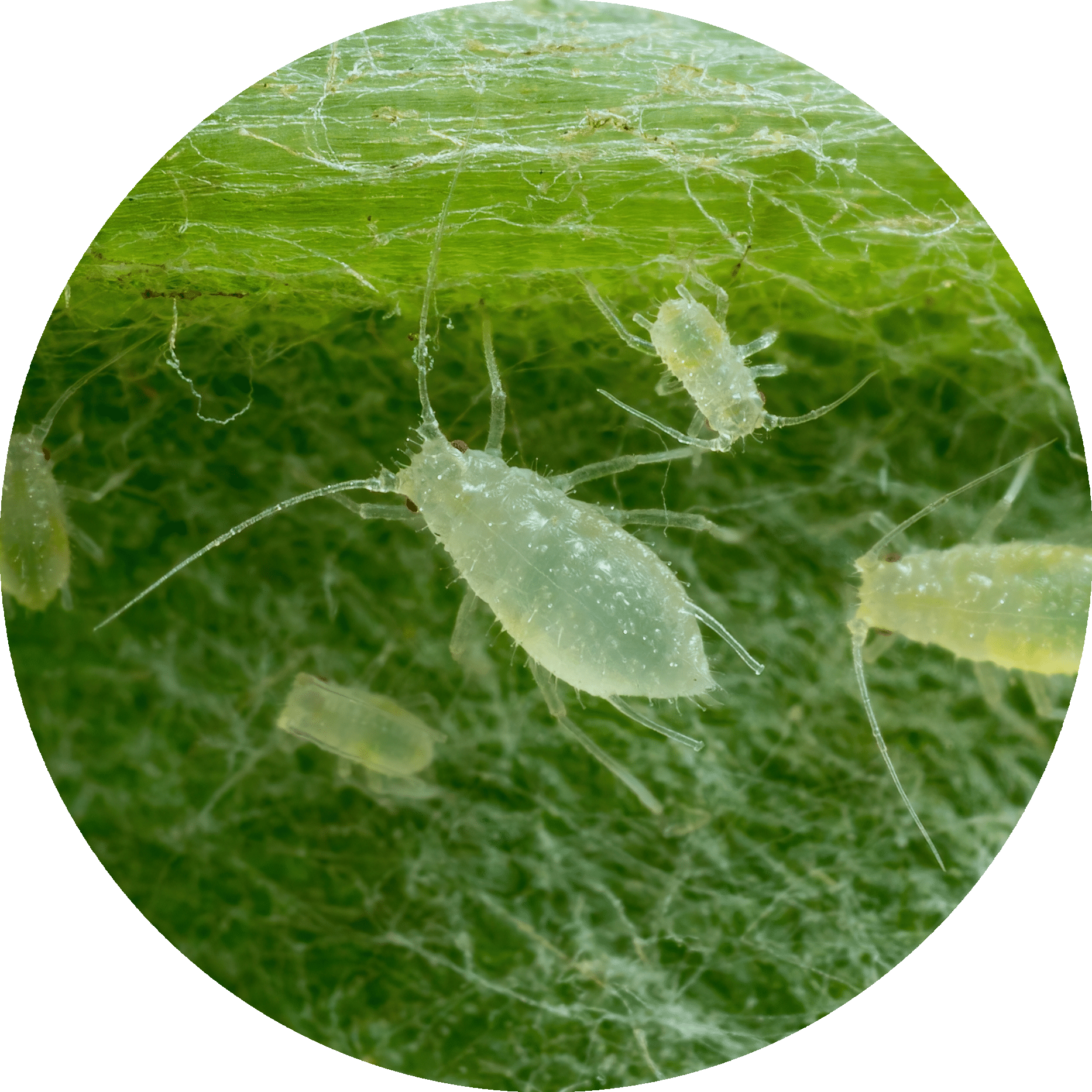
Aphids, caterpillars, slugs and snails are the garden pests people notice most. Before reaching for a spray, OSU Extension advises identifying the insect first, because most insects in a landscape are not harmful.
- Encourage the good bugs. Lady beetles, green lacewings, syrphid flies, minute pirate bugs, assassin bugs and parasitic wasps all eat garden pests. OSU suggests planting flowers in the aster family, such as coneflower, sunflower and zinnia, plus verbena, lantana, fennel and dill to keep them around.
- Start small. Hand-pick caterpillars and hornworms, knock aphids off with a spray of water and treat as soon as you see chewed leaves.
- Choose gentle products. If you need an insecticide, OSU recommends products with little or no residual activity, so beneficial insects that arrive later are not harmed.
For slugs and snails, the University of California recommends picking them off after dark with a flashlight, setting beer traps or boards raised an inch off the ground and collecting what hides under them, wrapping raised beds with a 4- to 6-inch copper band, watering in the morning or with drip irrigation so the soil dries by night and, if needed, iron phosphate baits scattered in the evening.
Fall leaves and overwintering pests
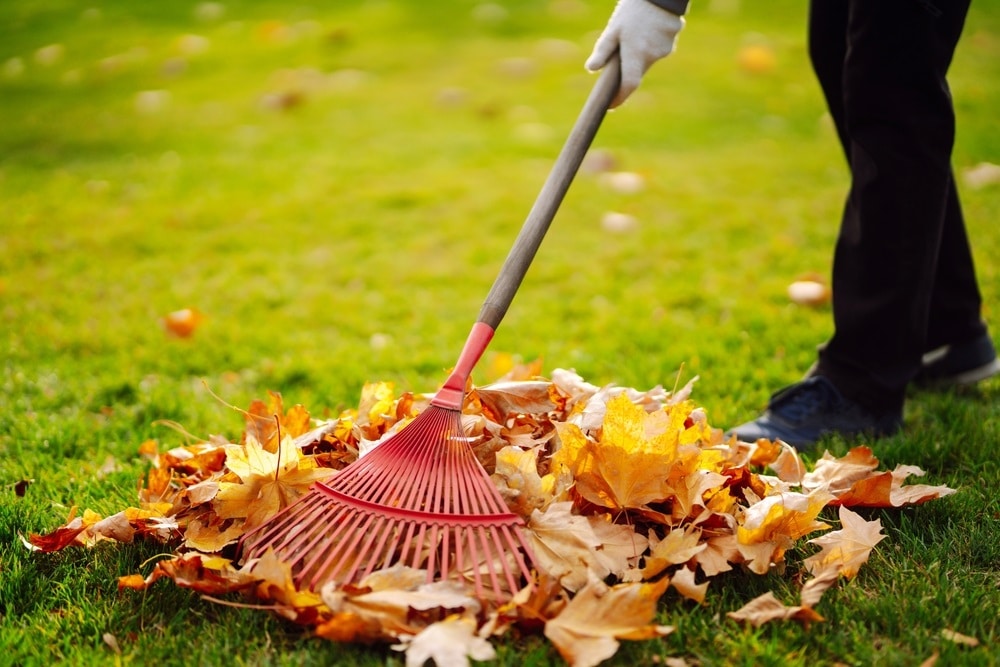
Leaf piles and thick leaf litter give insects a sheltered place to spend the winter. Rake leaves away from the foundation, the deck and the patio, bag them or compost them away from the house and prune out dead branches. Before cold weather, seal gaps around doors, windows and utility lines; our Oklahoma Bug ID Guide covers the fall invaders that look for those gaps.
Get help from an Oklahoma exterminator
If mosquitoes or other pests are still keeping you off the deck, an exterminator can find the breeding and resting spots you cannot see and treat them. Having a party or a family event outside? Ask us about treating the yard for mosquitoes before your guests arrive. Emtec Pest Control has been protecting homes and yards since 1979 in Tulsa, Broken Arrow, Owasso, Jenks, Bixby, Sand Springs, Sapulpa, Stillwater, Oklahoma City and Edmond. See our mosquito control service and preventative pest control service, or contact us to talk through your yard.
Frequently Asked Questions
How do I keep bugs away from my patio at night?
Swap white porch and patio bulbs for yellow bug lights or yellow LEDs, point fixtures down, put them on timers or motion sensors and keep curtains closed so indoor light does not pull insects to the windows. Run a fan where you sit and dump any standing water nearby once a week.
Do citronella candles keep mosquitoes away?
Only a little, and only up close. In a field study published in the Journal of the American Mosquito Control Association, citronella candles cut the number of female mosquitoes by about 35% at one meter, and the effect dropped sharply at two and three meters. Repellent on your skin and a fan do far more.
What is the best mosquito repellent for a patio?
There is no product that protects a whole patio by itself. Start by emptying anything that holds water within your yard, then run a fan across the seating area and wear an EPA-registered repellent such as DEET. For a yard with heavy mosquito pressure, a professional mosquito treatment targets the shady plants and resting spots where adults hide.
How do I keep bugs off patio furniture?
Wipe tables after meals, store cushions in a dry deck box or bring them in, sweep webs off the undersides of chairs and tables and keep furniture a few feet from shrubs and porch lights. Spiders and wasps like the sheltered undersides, so check them in spring.
Do fans really keep mosquitoes away?
Yes, they help. Researchers in Michigan found that wind from an electric fan strongly reduced the number of mosquitoes reaching a baited trap, mostly by scattering the carbon dioxide and scent mosquitoes follow, and they suggested fans as a practical way to protect people in a backyard.
Sources
- Mosquito Control at Home (opens in new tab)
- Reassessment of the role and utility of wind in suppression of mosquito host finding (Journal of Medical Entomology, 2003) (opens in new tab)
- Ability of essential oil candles to repel biting insects in high and low biting pressure environments (2008) (opens in new tab)
- Plants that repel mosquitoes (opens in new tab)
- Light Management (Bug’s Eye View, Vol. 3, No. 27) (opens in new tab)
- Bug Zappers are Harmful, Not Helpful (opens in new tab)
- White Grubs (opens in new tab)
- Fall armyworms are on the rise in Oklahoma (opens in new tab)
- Beneficial insects (opens in new tab)
- Snails and Slugs (Quick Tips) (opens in new tab)